November 17, 2025
If you had told me five years ago that we’d be homeschooling, I would have laughed. Loudly. And right in your face.
I was a trained early years teacher. I obviously believed in the school system at some point in time. We had supportive teachers, a lovely school and really, quite a positive start to school for our two children. And after a taste of remote learning during the pandemic in 2020…well we were absolutely certain that homeschooling would never, ever be the right choice for our family…especially for one of our kids with a PDA profile where even the most basic home learning tasks became a daily battleground and the source of so much anxiety as a mother.
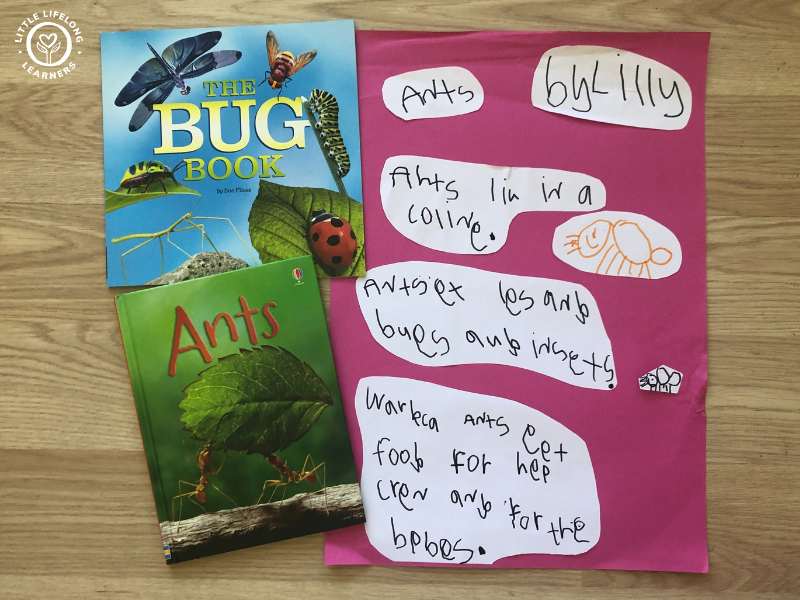
But here’s the thing no one was telling us – pandemic ‘home learning’ is nothing like homeschooling. Not even close. Okay, so maybe all the homeschooling families that followed me on socials in this time probably knew this…but I didn’t ha!
What we were doing back then was basically trying to recreate the classroom at our dining table – and it just didn’t work. And now, nearly two years into our homeschooling journey, I’ve learned that what we are doing today is something totally different. Something gentle, child-led, playful and deeply routed in connection. Something that works for our unique family.
This is the story of how we got here – from school refusal and anxiety to a lifestyle that finally honours the neurodivergent brains and beautiful needs of our little learners. It’s a story filled with fear, trial and error, small wins, big decisions and ultimately…so much relief.
How we Knew Traditional Schooling Wasn’t Working
We always said that if our children were enjoying school, it was the right place for them. And for a really long time, it was. Most of our teachers went absolutely above and beyond to support our little learners, especially in those early years. We’ll always be so grateful for the teachers who truly saw our children, who worked hard to help them feel safe, capable and included.
But as time went on, especially as our neurodivergent kids moved up through the grades, the cracks began to show. One of our children started to fall behind academically and there were early signs of a learning difference (dyslexia, dyspraxia, dysgraphia) and we watched as their confidence as a learner slowly unravelled. The spark they once had began to fade. Homework was overwhelming, reading became a source of stress and their self-worth shrank before our eyes.
Another of our children experienced something more visible – school refusal. And not just the typical, ‘I don’t want to go’ variety…we were dealing with tears at the front door of our home, hiding and running away from the car. On one occasion, I found myself trying to gently coax a very overwhelmed little person from the front door as they clung to the security screen, desperate not to go to school. There were other signs too like horrifically intense emotional crashes followed by after school meltdowns that were so intense that we couldn’t ever plan anything for after school, most weekends and even the school holidays. This little person just needed so much respite despite appearing to cope within the classroom environment.
We were trying so hard. We had a significant allied health support team. We attended weekly and fortnightly therapies and adjusted everything we could to help make school work. But at some point, it became really clear. This wasn’t thriving. This was surviving…and barely.
We didn’t jump straight into homeschooling. In fact, we were resistant. I was the one who hesitated most. I knew that if we did pull them out, we likely wouldn’t send them back. It felt like a big, long-term commitment. I wanted (and needed) to be absolutely sure.
So we started small.
Each week, we had a few regular therapy appointments for each of our three children. So we quietly adjusted our schedule so that those days were on a Wednesday…a midweek break from school…a soft landing even though sometimes those appointments would mean they would only be ‘late’ to school by 20 minutes…we kept the whole day as a ‘home day’ because we knew the school wouldn’t support a part-time enrolment for children who were high masking. It was our little pocket of peace in an otherwise overwhelming week.
And it worked. Those days gave us space. Space to breathe. Space to follow our children’s interests. Space to just be. We were witnessing, week by week, who are children were outside the stress response. And it planted the seed.
One moment in particular solidified our decision.
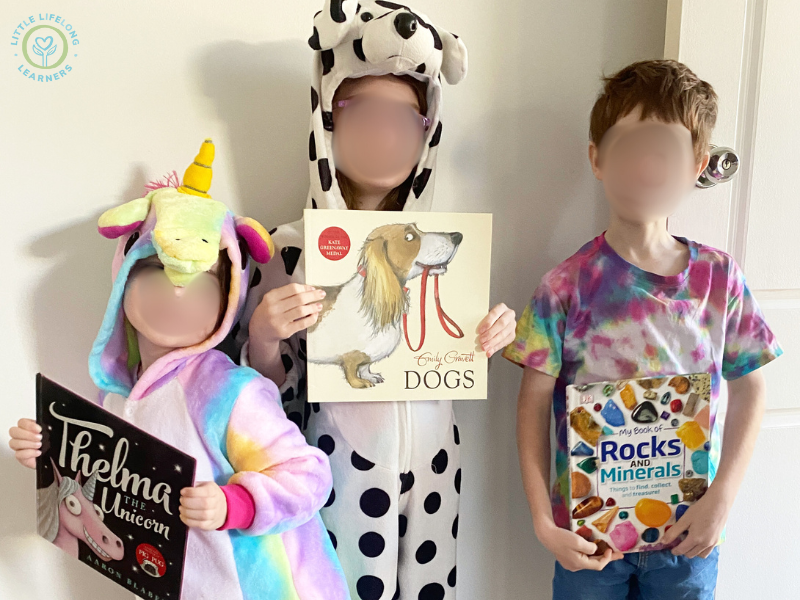
Our family had always found big school events really challenging – especially those that disrupted the routine. Things like Book Week felt completely inaccessible in the past. But in 2023, one of our children said they wanted to go. They didn’t want to join the parade, but they wanted to be there and in free dress. So we met them where they were at. We said we’d come too and they could sit with us for the parade. And they did. That felt like a huge win.
We were SO proud.
But a week later at parent-teacher interviews, we were met with the learning support team and told that our presence at the event was likely the cause of our child’s anxiety. That our role was to support from home, while the staff would manage things at school. It was said somewhat kindly…but the message landed hard.
What they couldn’t see was the years we’d spent gently supporting this little person to stretch beyond their comfort zone – often unsuccessfully. They didn’t see the daily emotional toll, the countless meltdowns before school, the sensory overwhelm, the shutdowns that came with anything unexpected. They hadn’t seen us quietly shifting schedules, providing scripts, making visual guides and working through every tiny detail just to get them in the school gate.
This child didn’t want to be the centre of attention. They didn’t want to dress up or walk in the parade. They just wanted to see what Book Week felt like – to be there, quietly, in a way that felt safe. And the only way we could make that possible was by being there too.
And we did it. That moment was huge for us. A true milestone. But instead of it being recognised, it felt dismissed. Misunderstood. That meeting made it painfully clear that while the staff were doing their best, they couldn’t see what it took to get to that moment. They only saw what happened at school. They didn’t see what it cost to show up.
We submitted our homeschool paperwork the very next week.
Two children. Two different paths. But the same realisation…school, as it was, no longer fit.
We weren’t looking to recreate school at home. That would never work – for them or for us. What we were starting to imagine was something different entirely. A slower, gentler way of learning that trusted in our kids’ natural curiosity and unique timelines. Something child-led. Something play-based. Something that might bring the spark back.
And it did.
What Homeschooling Looks Like for our Family
As we dive deeper into our own homeschooling journey, we’ve come to realise that there are so many different ways to homeschool. We align most closely to the unschooling philosophy where learning is guided by curiosity rather than curriculum and where trust in our children is at the heart of everything we do. Our days are shaped by their interests, not by checklists…and the learning that unfolds is richer because of it.
Homeschooling for us doesn’t look like a traditional school day. There is no homeschool corner, textbooks, worksheets, timetables or daily homeschool routines. Instead, we’ve built a gentle rhythm that reflects our children’s needs, our family values and our deep belief in the power of play.
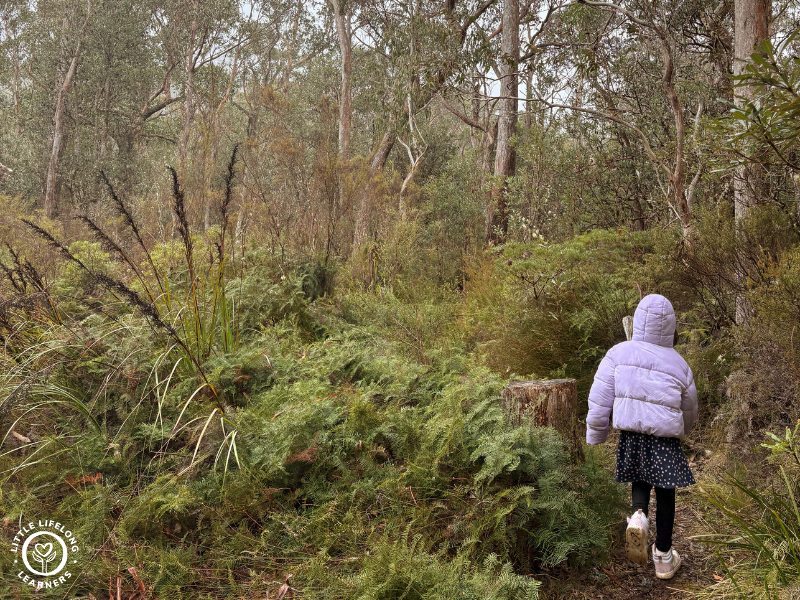
Our week has a gentle flow – from our weekly homeschool playgroup, to a few therapy appointments sprinkled in and our much-loved Friday adventure day! Some days are packed with energy and exploration, others are quiet and slow…especially after busy weekends or emotionally heavy days. We give ourselves permission to follow the energy of the household, not a fixed schedule.
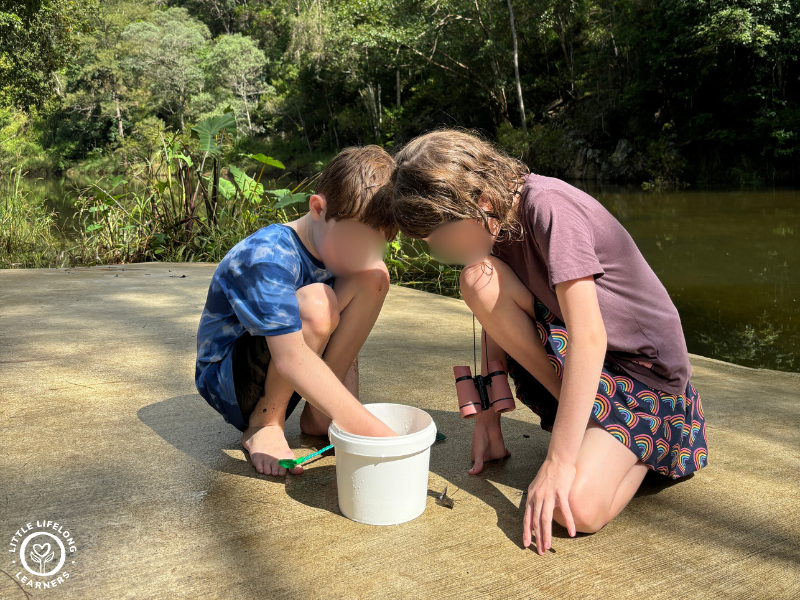
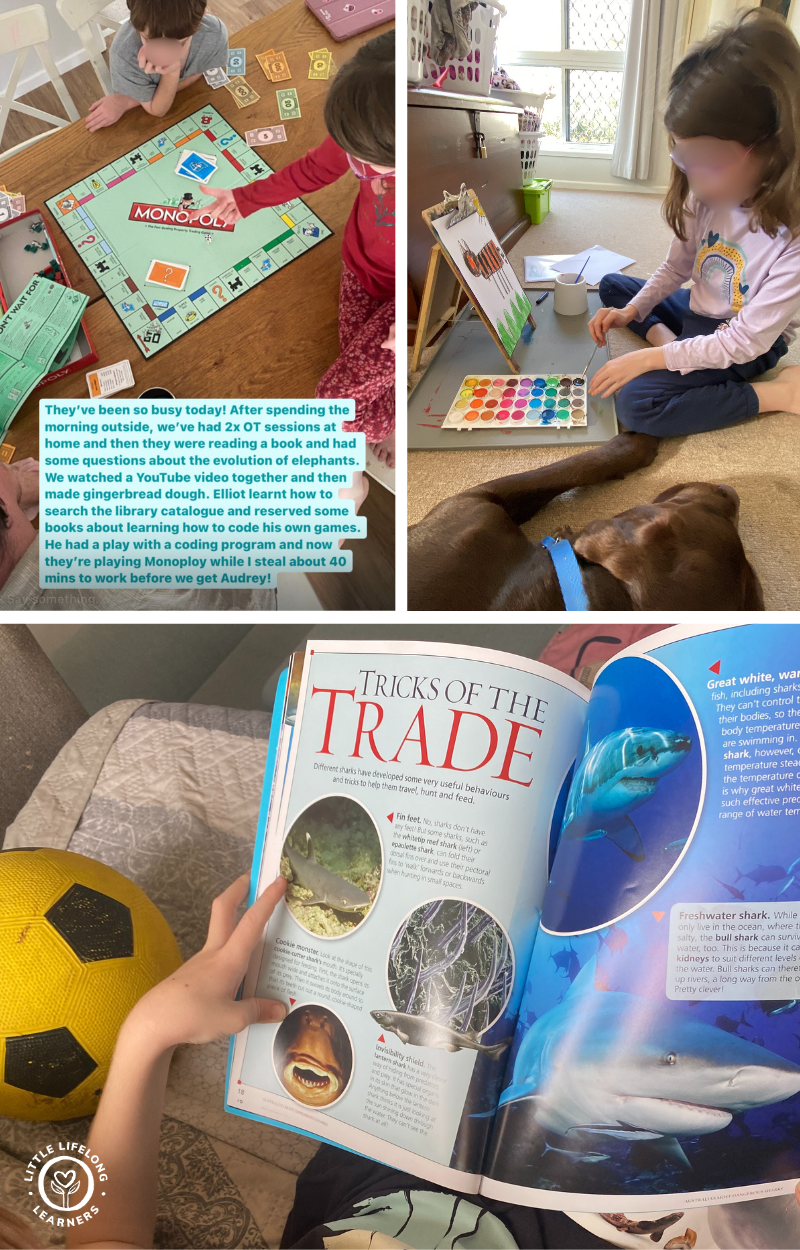
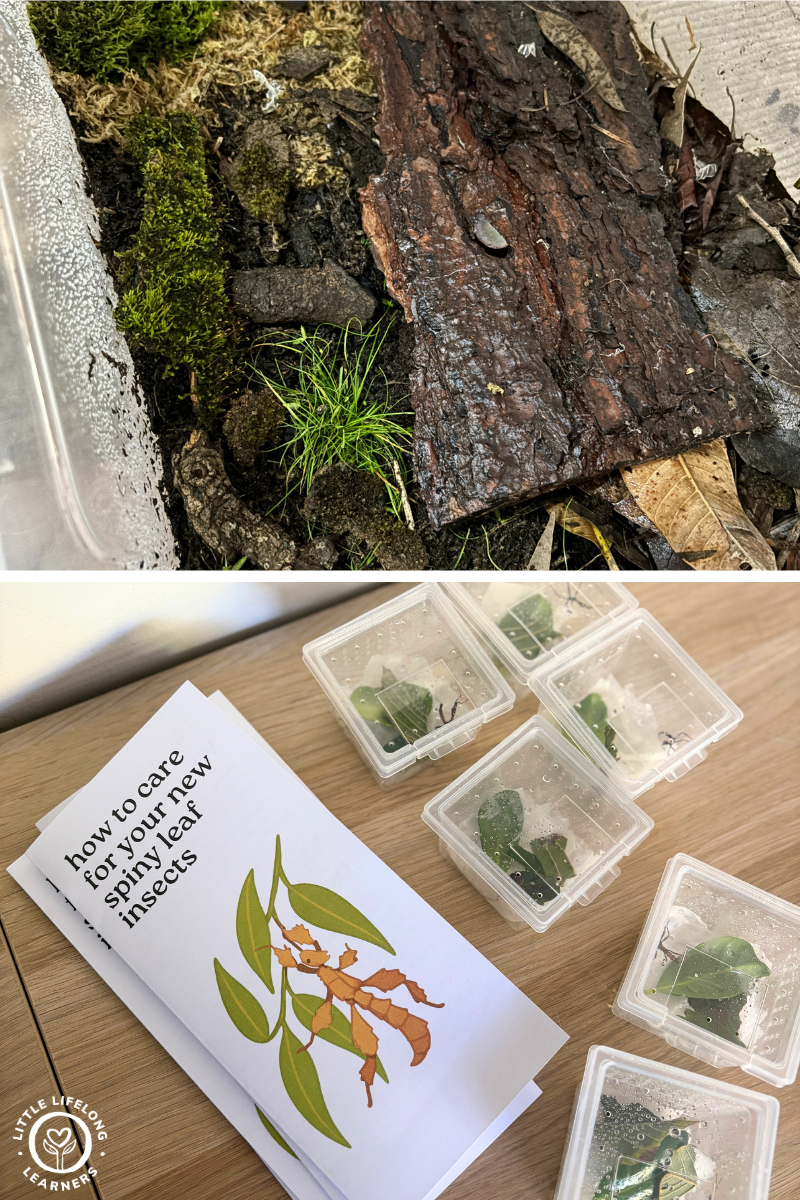
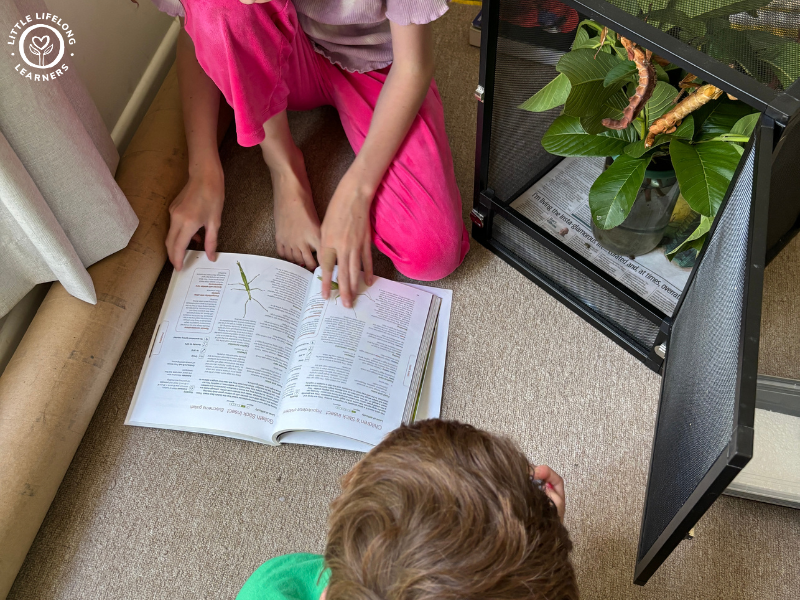
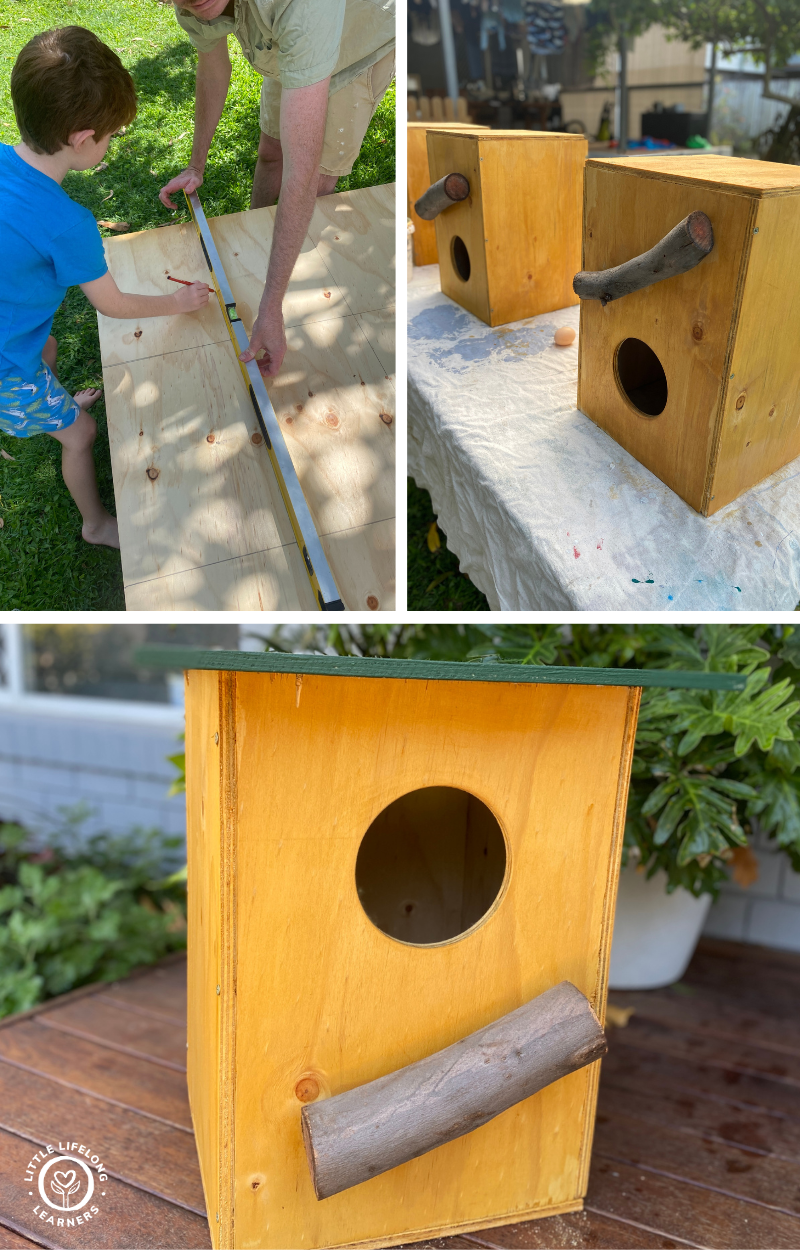
Learning happens everywhere. When we go to the shops, we budget together and compare prices. When someone is curious about frogs or gemstones, we visit our local zoo or visit a museum. One of our little learners spent weeks helping with garden renovation projects. Another has designed whole terrariums with plants, soil layers and care routines. They also breed and sell stick insects, starting their very own business raising money for the Wildlife Warriors. We’ve counted money by selling homemade playdough at a homeschool market and explored using writing to express our learning through an online blog.
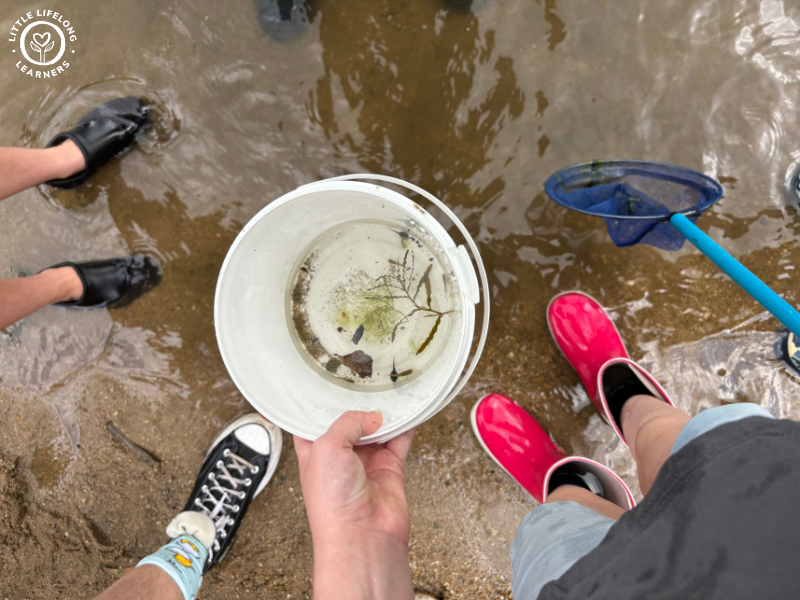
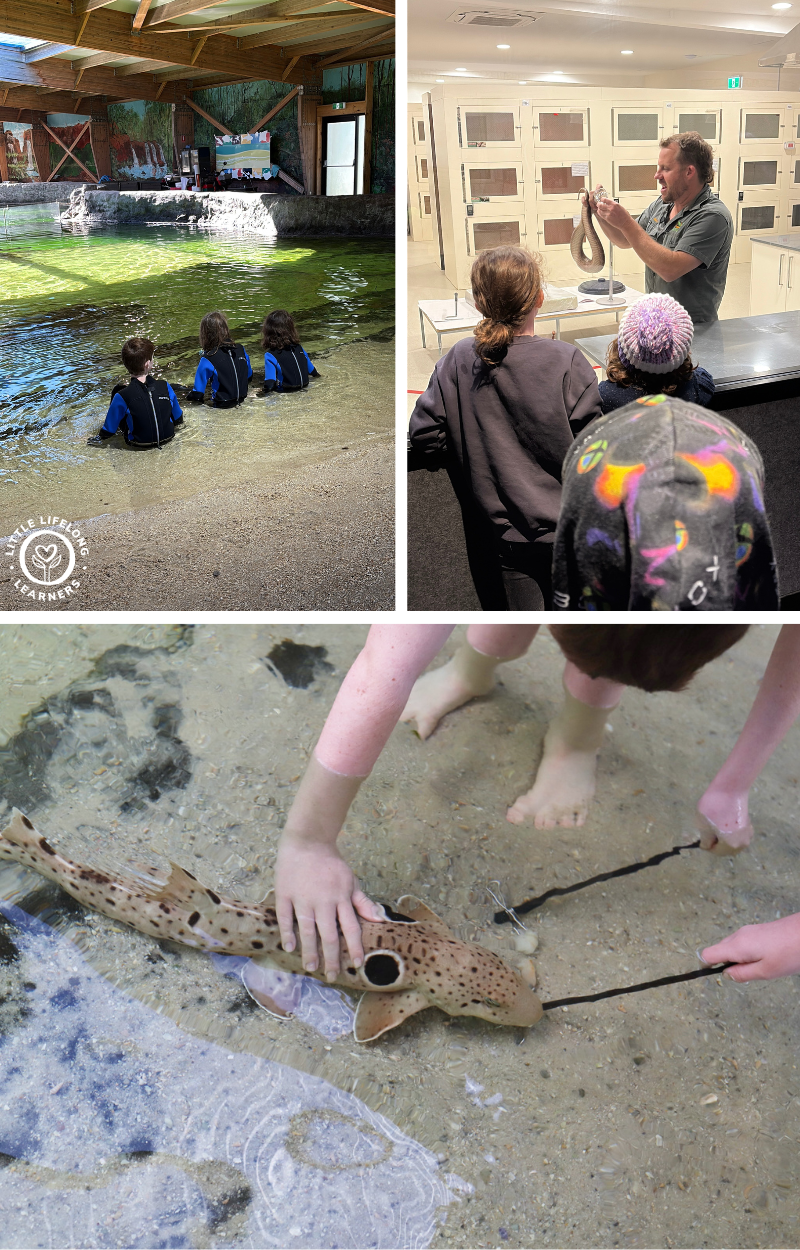
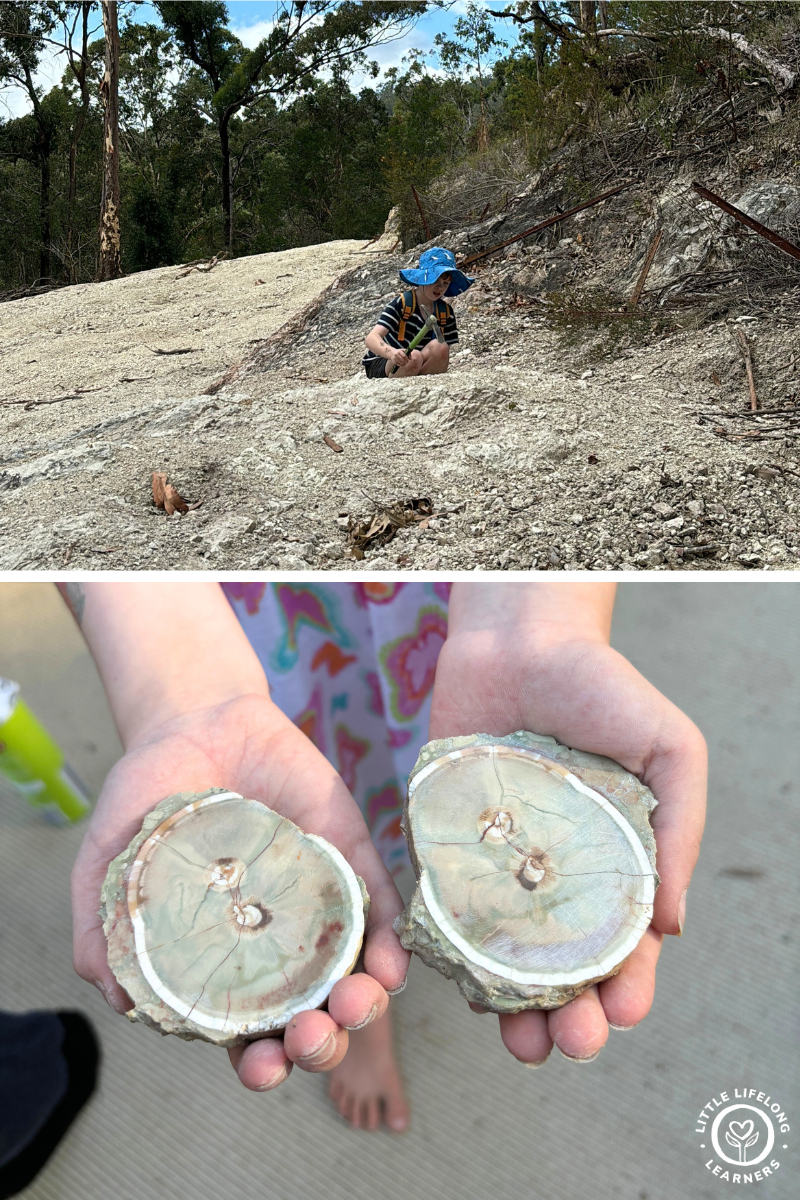
We also take a family holiday each term – sometimes it’s a relaxed camping trip, other times it’s a deep dive into one of our kids’ current interests. In August, we took a 10 day road trip down to the Australian Reptile Park as part of their love for a favourite YouTube channel. Along the way, we stopped at places like a shark and ray garden where the kids got into the water and hand-fed real stingrays and sharks. We fossicked for crystals, explored natural landmarks and turned every stop into an adventure. It wasn’t planned as a “unit study” – it was real-world learning connected to what they love most.
We don’t follow a formal curriculum in the traditional sense. Instead, we draw from real life and child-led projects to meet our learning goals in a way that feels natural and meaningful. I don’t see myself as the teacher – I’m a facilitator, a partner, a fellow curious learner.
What we’ve gained through homeschooling is hard to put into words. The sparkle we saw dimming in our kids has returned. They have the space to be themselves, to rest when they need it, to dive deep into what they love and to feel seen along the way. It’s not always easy and it’s definitely not perfect. But homeschooling has brought us a kind of peace and connection we never found in the rush of school life. For the first time, our kids are learning in a way that feels safe and right for them. And honestly? So are we.
Homeschool FAQs: Real Questions from Real Parents
I get questions about homeschooling in Australia almost every week – especially from parents who are curious but unsure where to start. So I’ve pulled together some of the most common questions I’ve received (both online and in real life) to give you a better sense of what homeschooling really looks like – from curriculum and socialisation, to how it works for neurodivergent kids.
Do you ever question your decision or have regrets?
Not at all. I actually wish we had made this decision far sooner but I’m so grateful this is our path now. It’s been one of the best decisions we’ve made for our family.
What are the drawbacks of homeschooling?
It’s definitely not all sunshine and rainbows. Homeschooling can feel isolating at times and there’s no ‘off switch’ or respite like you would get if you were sending your children to traditional school. I’m not just mum – I’m also the facilitator, organiser, emotional regulator. It’s a big mental and emotional load…but for us, the benefits far outweigh those challenges.
We’ve found so much more peace, flexibility and connection in this lifestyle…and it sure is nice not having to pack lunchboxes anymore haha!
Would you homeschool if there were fewer siblings?
Yes – absolutely, if that was going to be the best decision for a single child. While having a few kids at home does help with built-in playmates, I know plenty of families homeschooling just one child successfully. What matters most is creating an environment that supports your little learner’s needs and interests…not how many siblings they have.
That said, it can definitely be challenging juggling the needs of three very different children. Even though they share many interests, it’s not always easy to find playgroups or social opportunities that suit everyone. One of our children in particular finds group settings really overwhelming, so we spent almost our entire first year homeschooling in a kind of intentional isolation – giving them time to recharge, rebuild trust and slowly reconnect on their own terms.
We still have seasons where getting out of the house is really hard. On those days, that little person might spend time with Nana while I take the other two to a busier event or outing. It’s all about honouring their capacity and making sure each of our kids feels supported, even if that looks different for each one.
What’s it like homeschooling children with additional needs?
It can be challenging at times but also incredibly rewarding. Our children are neurodivergent and the freedom to support their learning and emotional needs on their own terms has been life-changing. We’ve been able to reduce the demands, honour their sensory and emotional capacity and focus on helping them feel safe and successful. Homeschooling has allowed us to truly personalise their education, something that felt nearly impossible in a traditional setting.
As a neurodivergent parent myself, I’ve had to find ways to protect my own energy too. I’ve learned what helps me stay regulated so I can show up for my kids in a sustainable way. Sometimes that means using noise-cancelling headphones when my husband is home and can keep an ear out for the big kids. It often means a night off with my own siblings while my husband holds down the fort at home. It means building in breaks, keeping plans flexible and trusting that our version of “doing enough” might look different and that’s okay.
Do you feel homeschooling limits their future education?
Not at all. In fact, I believe it opens up more options, not fewer. Homeschooled children can go on to university, TAFE, apprenticeships or alternative pathways and they can do it in a way that suits their timeline and learning style. We’re focusing on helping our kids develop the tools they need to thrive in whatever future they choose.
Do you have a homeschool group?
Yes! We’re part of a small homeschool playgroup that meets on a Monday and attend nature-based meetups from time to time too. These groups have been so important – not just for the kids, but for me too. It’s been lovely connecting with like-minded families who value gentle, play-based learning and neuro-affirming approaches!
Do you get any government assistance or payments for homeschooling?
In Queensland, there’s no general government payment just for homeschooling as far as I know – but there is something called the Assistance for Isolated Children (AIC) scheme. Our family qualifies for this due to disability and we’re incredibly grateful for that support.
We set the funds aside in a separate account so that when new interests pop up (or things like science kits, classes or excursions) we can follow them without worrying about the financial side. It also helps us prioritise our family holiday each term which is a big part of how our kids learn best. These trips aren’t just a break from routine – they’re packed with hands-on experiences, real-world learning and the kind of deep, joyful connection we value most in our homeschooling journey.
Can anyone homeschool?
Yes – you don’t need to be a qualified teacher to homeschool in Australia. You do need to register through your state’s Home Education Unit (or equivalent) and you’ll need to create a learning plan and submit progress reports (at least here in QLD) but there are so many great resources out there to guide you through the process. If you’re willing to learn alongside your child and stay flexible, homeschooling can be an incredible path.
Can I Really Do This? A Note for the Homeschool-Curious Parent
If you’re reading this and wondering whether homeschooling could actually work for your family – I see you. I used to ask the same question.
You don’t need a teaching degree (though I had one and it didn’t help much at first!!). You don’t need to have all the answers. You don’t need a perfect plan, a Pinterest-worthy playroom or a child who sits still for worksheets.
You do need curiosity. A willingness to slow down. And a belief (even a tiny, shaky one) that learning doesn’t have to look like school to be valid.
Homeschooling is not always easy. Some days are hard. Some days are messy. Some days you wonder if anything is actually working. But there is beauty in the mess and power in choosing a path that honours your child and yourself.
If you’re considering it…this might be your sign. You’re not alone. And you don’t have to do it the way anyone else does. Trust your instincts – they got you this far!
Our Favourite Homeschooling Resources (that actually helped)
When we were just getting started, it felt like there were a lot of options and a lot of pressure to “get it right.” But over time, we’ve found a handful of tools, resources and ideas that have truly supported our family’s learning rhythm. These are the things that made the early days feel a little less overwhelming and still show up in our week, years later:
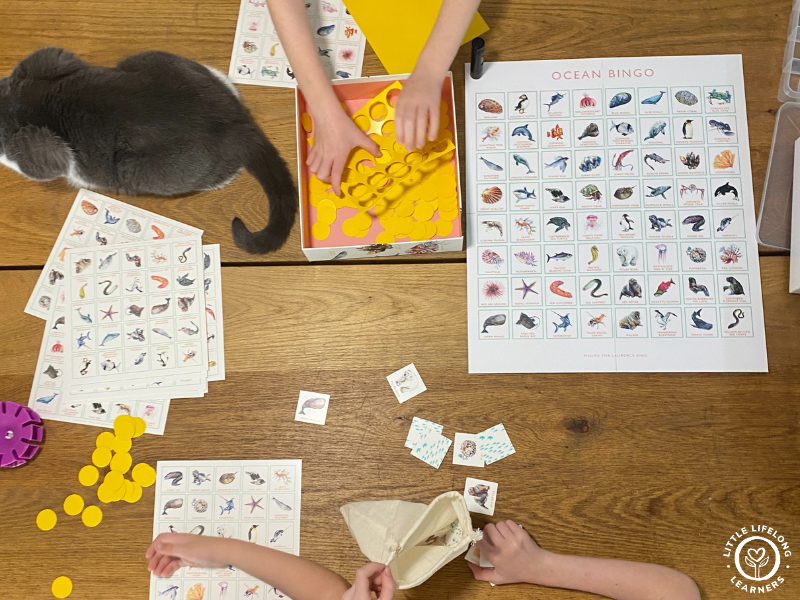
Little Lifelong Learners for hands-on learning resources #ShamelessPlug – I might be a little biased 😉 but printable play prompts have helped us gently explore literacy, numeracy, science and more – all through hands-on, interest-led activities. We use these especially when I need to reset the energy or support independent play!
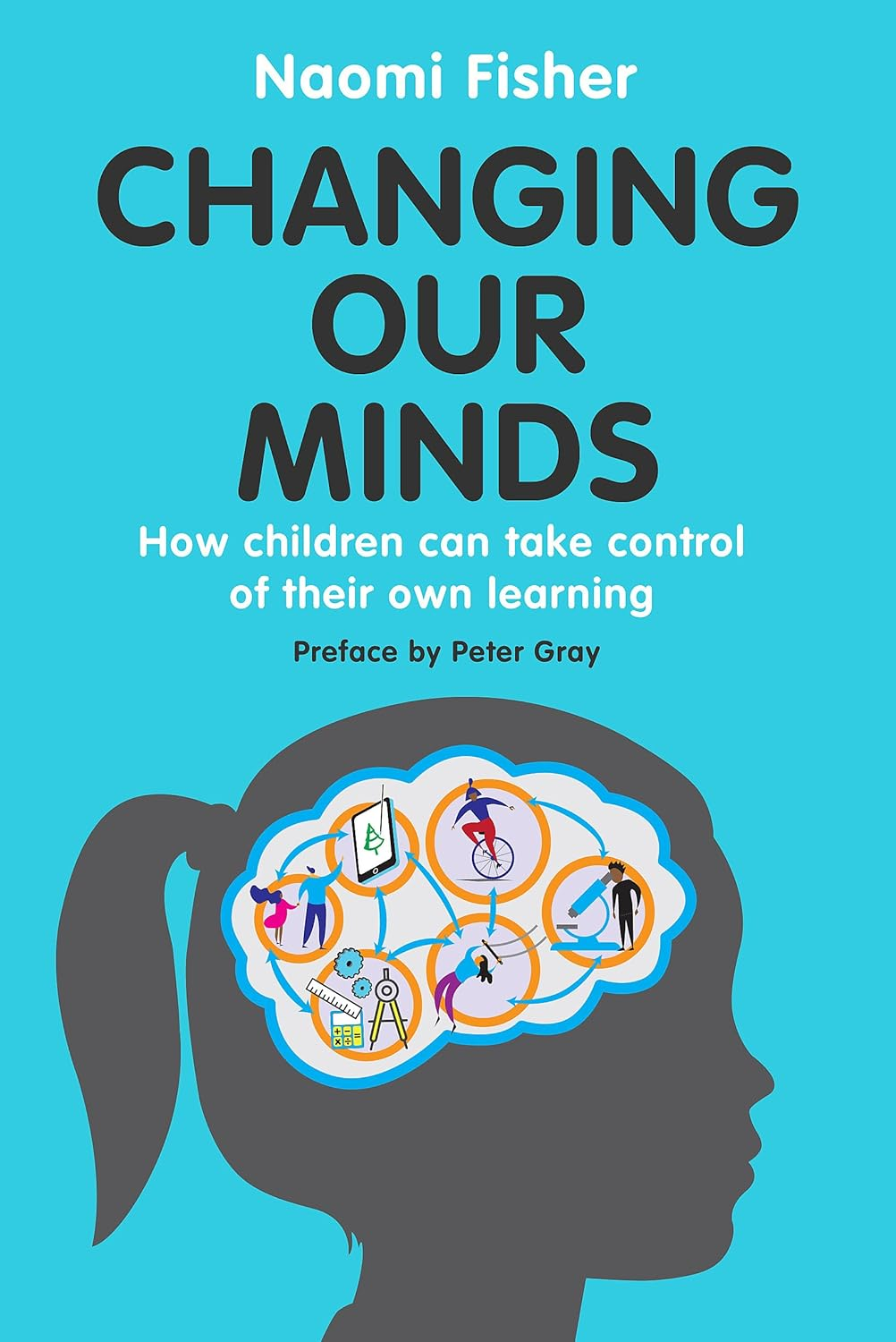
Changing our Minds by Naomi Fisher (Amazon AUS* and Amazon US*) – I borrowed this book from the library after following Naomi Fisher on Facebook – her posts about school refusal really caught my eye. I was curious about her views on learning and education.. and this book ended up being the resource that made me realise homeschooling was something we actually needed to consider for our family. It was the first time I felt truly seen as a parent of neurodivergent kids navigating a system that wasn’t working. I often recommend this to other families who are homeschool-curious or feeling overwhelmed and unsure where to begin. It’s validating, encouraging and full of insights that helped me let go of a lot of fear!
Home Education Queensland – This is our go-to for support and community here in QLD. If you’re just getting started with homeschooling, their website is a treasure trove of information about registration, reporting and connecting with other local families. They also run the most incredible, helpful Facebook group where you can ask questions, share wins and find your people.
Lovevery Reading Skills kits – These beautifully designed kits are hands-on, structured and incredibly thoughtful. As a teacher, I love how they break down early reading skills into gentle, manageable steps – perfect for kids who learn best through play and real-world context. They’ve become a trusted part of our toolbox for literacy learning for our third who never attended traditional school.
Nessy – We use Nessy to support our little learners who find reading and writing extra challenging. It’s especially helpful for families navigating suspected or diagnosed dyslexia. The games and videos are fun, engaging and backed by solid research and they’ve helped build confidence where frustration once lived. I especially love the Number Sense games!
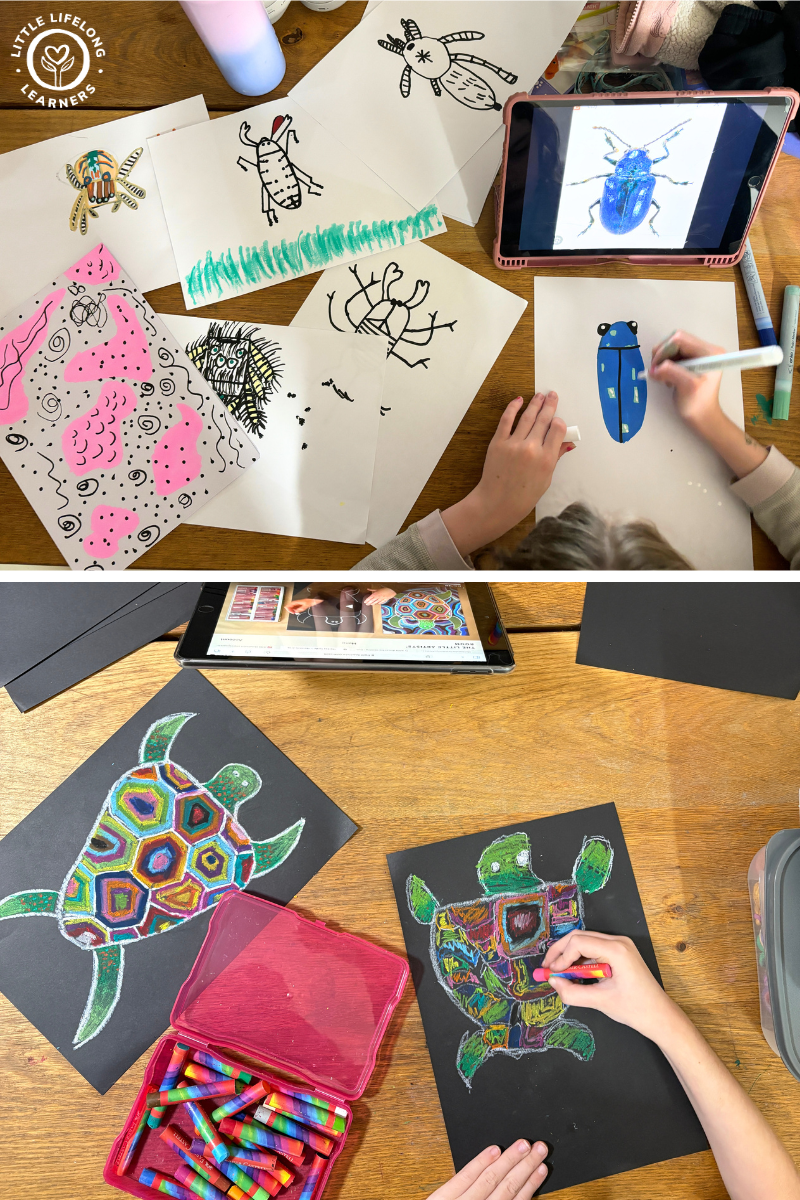
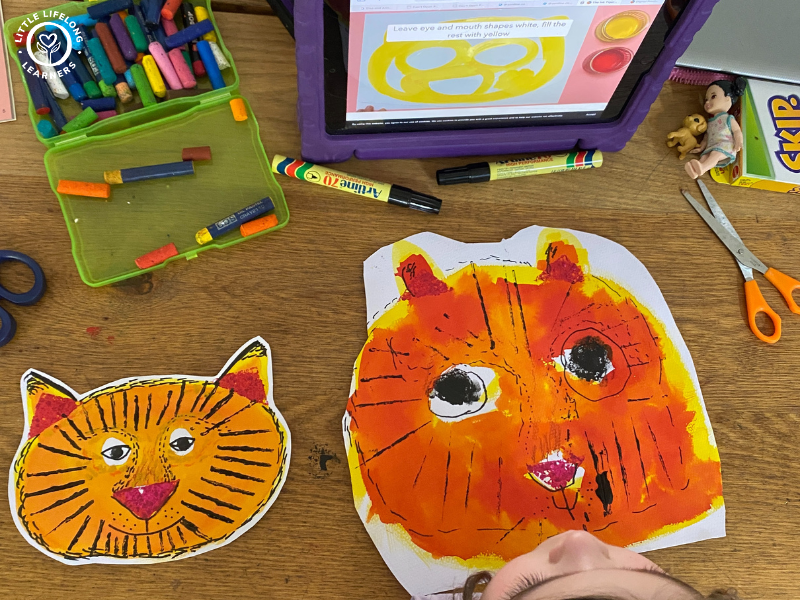
Little Artist’s Room – We adore this subscription! Their open-ended, process-based art projects have brought so much creative joy into our homeschool. Whether it’s clay, painting or printing, the projects offer rich opportunities for sensory and artistic expression without the pressure of perfection.
If you’re just beginning, start small. You don’t need all the things. Start with what you already have and build from there.
Final Thoughts on Our Homeschool Journey So Far
Homeschooling has been one of the most unexpected and rewarding decisions we’ve ever made. What started as a gentle “maybe” turned into a lifestyle that has brought our family more connection and joy than we imagined possible.
It hasn’t been perfect. We’ve had messy days, hard decisions and plenty of moments filled with doubt. But we’ve also had time – time to slow down, to heal, to learn in ways that actually work for our neurodivergent children. And for me, too.
If you’re thinking about homeschooling (or you’re already on the journey!) then I’d love to stay connected. You can find more playful ideas, gentle encouragement and practical support right here at Little Lifelong Learners – through our blog, resources and beautiful community of like-minded families.
This post contains affiliate links. As an Amazon Associate, I may earn from qualifying purchases at no extra cost to you.

About the author
Loved reading your journey. It felt genuine, inspiring, and gave a fresh perspective on child-led learning.